
Discover the Power of Healthy Food Choices
At Purefoodbalance, we believe that informed nutrition is the foundation of wellness. Explore the science-backed benefits of nutrient-dense foods and learn how intentional eating can transform your life.
The information on this site is for educational purposes only and does not constitute medical advice. Always consult a qualified healthcare professional before making health decisions.
Nutrient Density
Foods packed with vitamins, minerals, and antioxidants that support optimal body function.
Cardiovascular Support
Whole grains, healthy fats, and lean proteins contribute to heart health and stable energy.
Mental Clarity
Quality nutrition fuels cognitive function, focus, and emotional resilience throughout the day.
Sustained Energy
Balanced meals with complex carbs and protein stabilize blood sugar and provide lasting vitality.
Key Features of a Balanced Nutrition Approach
Whole, Unprocessed Foods
The foundation of healthy eating lies in choosing foods as nature intended. Whole foods retain their natural fiber, vitamins, and minerals that processed alternatives often lose during manufacturing. When you prioritize whole grains, fresh produce, legumes, and lean proteins, your body receives the complete nutritional spectrum it needs.
- Rich in dietary fiber for digestive wellness
- No artificial additives or hidden sugars
- Higher micronutrient bioavailability
- Supports long-term wellness habits


Plant-Based Abundance
A diet rich in vegetables, fruits, nuts, and seeds provides phytonutrients—natural compounds with powerful antioxidant and anti-inflammatory properties. This diversity of plant foods supports various body systems and contributes to overall vitality. Plant-based foods are typically lower in calories while remaining nutrient-dense, making them ideal for maintaining a healthy weight.
- Abundant antioxidants and polyphenols
- Natural enzymes aid nutrient absorption
- Supports environmental sustainability
- Versatile for all dietary preferences
Essential Nutrients Your Body Needs
Macronutrients
Proteins, healthy fats, and carbohydrates form the cornerstone of nutrition. Each serves distinct functions: proteins build and repair tissue, fats support hormone production, and complex carbohydrates fuel your brain and muscles. A balanced approach to these three macronutrient groups sustains energy and supports metabolic function.
Sources: lean meats, fish, nuts, seeds, whole grains, legumes
Micronutrients
Vitamins and minerals are needed in smaller quantities but are absolutely essential for immune function, bone health, energy production, and cellular repair. From vitamin C supporting immune response to zinc promoting wound healing, micronutrients work synergistically to maintain your wellbeing.
Sources: colorful vegetables, citrus fruits, leafy greens, dairy, eggs
Phytonutrients
These natural plant compounds give fruits and vegetables their vibrant colors and possess remarkable beneficial properties. Flavonoids, carotenoids, and polyphenols work throughout your body to support cellular health and resilience. Eating the rainbow ensures you receive this diverse spectrum of plant intelligence.
Sources: berries, beets, broccoli, bell peppers, turmeric
Building Your Nutritional Foundation
Start with Whole Foods
Begin your journey by gradually replacing processed foods with whole alternatives. Transition to brown rice instead of white, choose whole grain bread, and fill half your plate with colorful vegetables at each meal. This foundational step reconnects you with real food and establishes sustainable eating patterns.
Prioritize Nutrient Density
Not all calories are equal. Choose foods that deliver maximum nutrition per calorie: leafy greens, berries, nuts, seeds, and legumes. This principle ensures your body receives comprehensive micronutrition even when consuming moderate portions, supporting your wellness goals efficiently.
Create Balanced Meals
Structure each meal to include protein, healthy fats, and complex carbohydrates alongside vegetables. This balanced approach stabilizes blood sugar, extends satiety, and ensures sustained energy throughout your day. A simple model: palm-sized protein, thumb-sized healthy fat, fist-sized complex carb, and unlimited vegetables.
Practice Mindful Eating
Slow down and pay attention to your food. Chew thoroughly, notice flavors and textures, and listen to your body's hunger and fullness signals. Mindful eating enhances satisfaction, improves digestion, and fosters a positive relationship with nourishment. This practice transforms meals from mere fuel into moments of genuine wellness.
Healthy Food Categories Explained

Lean Proteins
Essential for muscle maintenance, hormone production, and immune function. Quality protein sources include chicken, fish, eggs, legumes, and tofu. Each protein type offers unique micronutrient profiles—fish provides omega-3s, legumes offer fiber, and eggs contain choline.
Aim for: 25-30g per meal
Healthy Fats
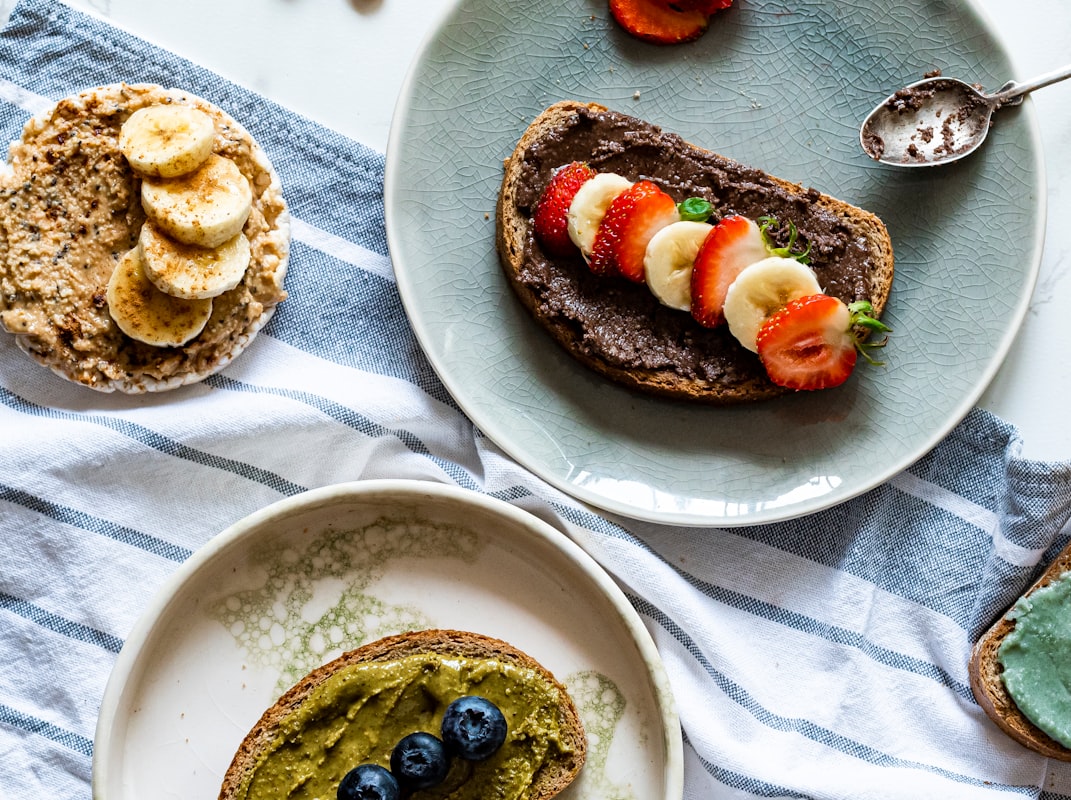
Support brain health, reduce inflammation, and enable absorption of fat-soluble vitamins. Prioritize monounsaturated and polyunsaturated fats from avocados, olive oil, nuts, seeds, and fatty fish. These fats stabilize blood sugar and promote satiety naturally.
Aim for: 1-2 servings per meal
Complex Carbohydrates
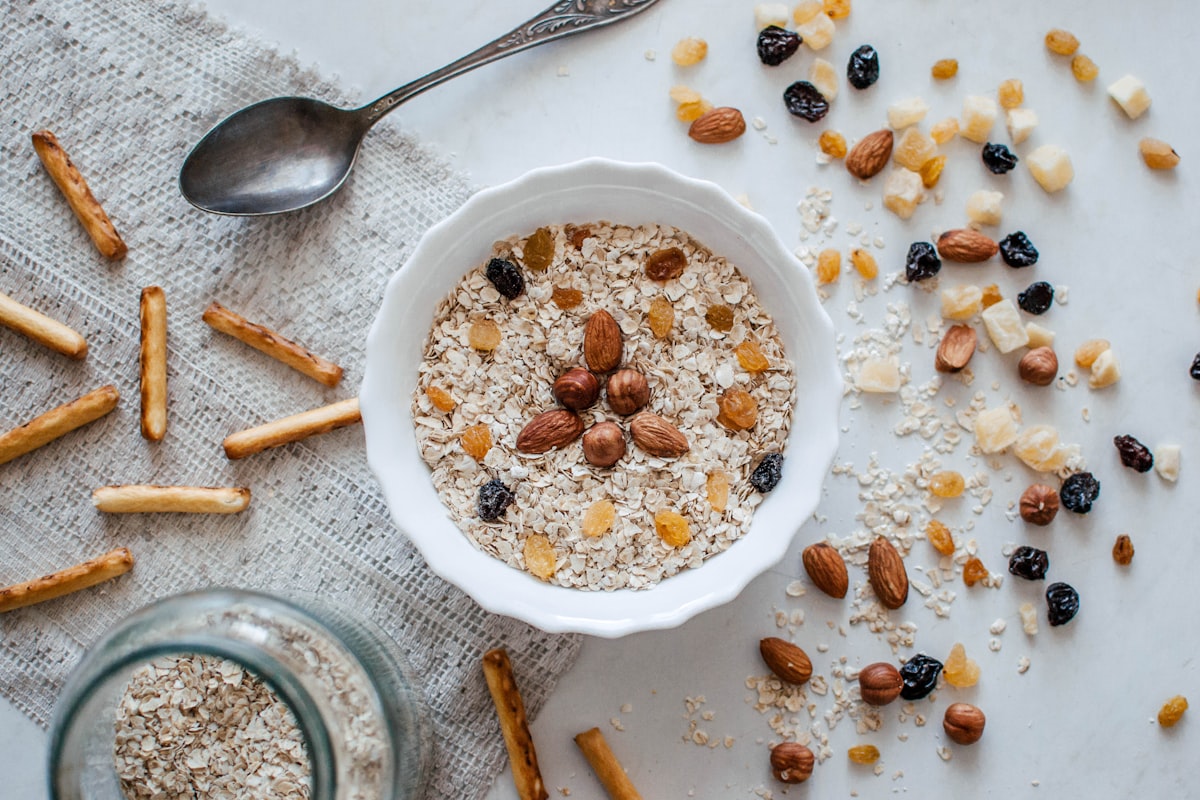
Provide sustained energy and feed beneficial gut bacteria through resistant starch and fiber. Choose whole grains, legumes, sweet potatoes, and oats over refined carbohydrates. These foods stabilize blood sugar, support digestive health, and fuel your brain and muscles efficiently.
Aim for: 1-2 servings per meal
Real Stories of Nutritional Transformation
"After switching to whole foods and nutrient-dense meals, my energy levels transformed completely. I wake up refreshed, my afternoon slump disappeared, and I feel genuinely better in my body. This isn't a diet—it's a sustainable way of living that finally makes sense."
Stefanie Mueller
Berlin, Germany
"The focus on balanced nutrition taught me to listen to my body's actual needs rather than external rules. My digestion improved noticeably, and I discovered I have so much more mental clarity. The Purefoodbalance approach feels like genuine wellness education, not marketing hype."
Thomas Weber
Frankfurt, Germany
"I was skeptical at first, but the educational approach changed everything. Learning WHY certain foods matter rather than just being told what to eat empowered me to make better choices naturally. My family has noticed the positive changes too."
Anna Schmidt
Munich, Germany
"What impressed me most was the emphasis on nutrient density rather than calorie counting. I eat more but feel more satisfied. The practical meal-building framework makes healthy eating accessible, not overwhelming. This genuinely changed my relationship with food."
Marcus Hoffman
Hamburg, Germany
Frequently Asked Questions
A nutrient-dense food provides high levels of vitamins, minerals, fiber, and phytonutrients relative to its calorie content. For example, a handful of almonds delivers protein, healthy fats, vitamin E, magnesium, and fiber in just 160 calories—making it far more nutrient-dense than the same calories from processed snacks. Nutrient density prioritizes quality over quantity, ensuring your body receives comprehensive nourishment even when you eat reasonable portion sizes.
Start small and build gradually. Replace one processed food with a whole alternative each week—swap white bread for whole grain, refined cereal for steel-cut oats, or sugary drinks for herbal tea. This progressive approach prevents overwhelm and allows your taste preferences to adjust naturally. After four to six weeks, many people find they genuinely prefer the taste and feel of whole foods. The key is sustainable change, not perfection.
Whole foods like beans, lentils, seasonal vegetables, eggs, and oats are often more affordable than processed alternatives when calculated per serving. Buying in season, choosing frozen vegetables, and purchasing staples in bulk significantly reduces costs. Additionally, the long-term benefits of preventive nutrition often outweigh initial expenses. Smart shopping strategies make nutrient-dense eating accessible for any budget.
General guidelines suggest 0.8 grams per kilogram of body weight for sedentary individuals, increasing to 1.2-2.0 grams per kilogram for active people or those interested in muscle maintenance. For practical purposes, aim for 25-30 grams of protein at each main meal, distributed throughout the day. This approach supports muscle maintenance, stabilizes blood sugar, and extends satiety. Quality matters: prioritize diverse sources including both animal and plant proteins for comprehensive amino acid profiles.
Absolutely. The gut-brain axis demonstrates that nutrition profoundly influences neurotransmitter production, inflammation levels, and cognitive function. Omega-3 fatty acids support brain cell structure, B vitamins enable energy production, antioxidants protect neural tissue from oxidative stress, and stable blood sugar prevents mood fluctuations. People often report improved focus, better sleep, and enhanced emotional resilience within weeks of adopting nutrient-dense eating patterns. Nutrition is foundational to mental and emotional wellbeing.
Whole grains retain all three parts—bran (fiber and minerals), germ (vitamins and healthy fats), and endosperm (carbohydrates and protein). Refined grains have the bran and germ removed, leaving mostly starch and resulting in rapid blood sugar spikes. Whole grains digest slower, stabilize energy longer, feed beneficial gut bacteria, and provide substantially more micronutrients. Choose brown rice, whole wheat bread, oats, quinoa, and barley to access whole grain benefits.
What Our Community Says
"Purefoodbalance completely changed how I approach nutrition. The science-backed guides helped me understand food in a way that actually stuck. My energy levels are stable, and I finally feel in control of my health."
— Sarah M.
Registered Dietitian
"I was overwhelmed by nutrition information online. Purefoodbalance cuts through the noise with clear, actionable advice. My family and I have never felt better. This is the real deal."
— James T.
Father of Two
"As an athlete, nutrition is everything. The macro and micronutrient breakdowns helped me optimize my diet for performance. My recovery time improved significantly."
— Alex R.
Endurance Athlete
Frequently Asked Questions
Yes! Purefoodbalance provides evidence-based nutrition education that works alongside any dietary approach—vegan, keto, Mediterranean, or omnivorous. Our focus is on whole, nutrient-dense foods and understanding how your body processes them. We support informed choices, not restrictive labels.
Our team reviews the latest peer-reviewed research and updates guides monthly. Nutrition science evolves, and we stay current so you get the most accurate, up-to-date information. Subscribe to our newsletter to get notified of major updates.
No. Purefoodbalance is an educational resource for general nutrition knowledge. If you have a medical condition, take medications, or need personalized dietary advice, please consult with your healthcare provider or a registered dietitian. We support informed conversations with medical professionals.
We prioritize science over trends, clarity over complexity, and empowerment over judgment. No fad diets, no pseudoscience—just evidence-based education that helps you understand nutrition so you can make choices aligned with your values and goals.
Ready to Transform Your Nutrition?
Join thousands of people making informed choices about their health. Start learning today.